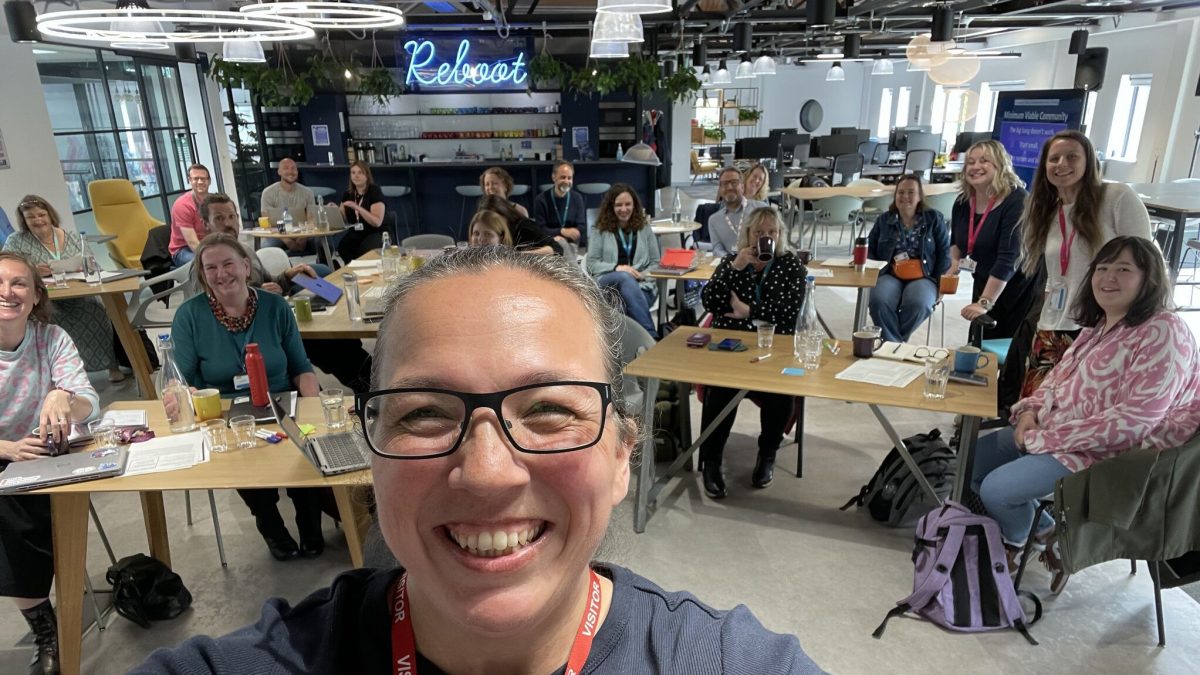
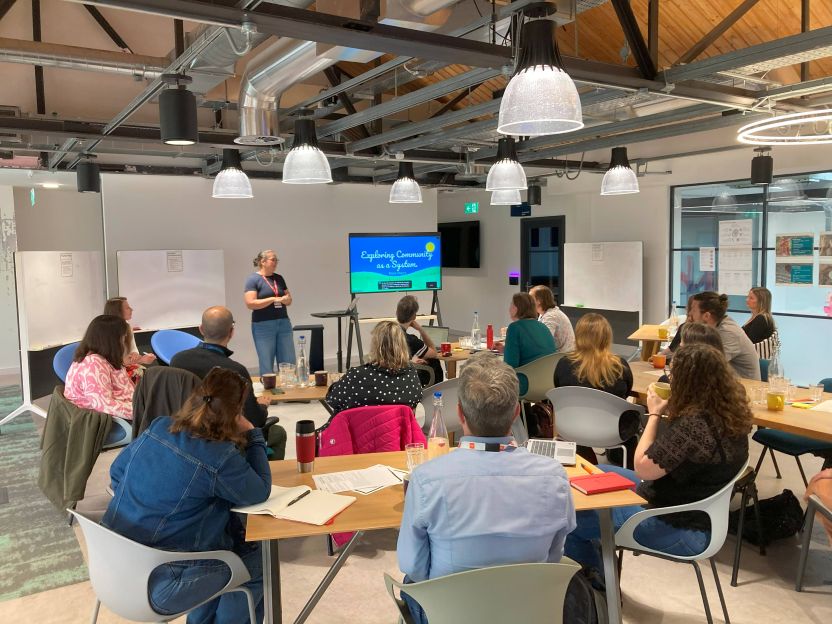
As part of our community day at the Bristol head office, we invited Rosie Sherry, CEO of Ministry of Testing and founder of RosieLand to share new community thinking with our community managers.
Rosie brought refreshing new insights that reminded us why we love community building. This is helping shape how we approach our activity in the new academic year. In this blog, I will introduce you to the ideas and key takeaways.
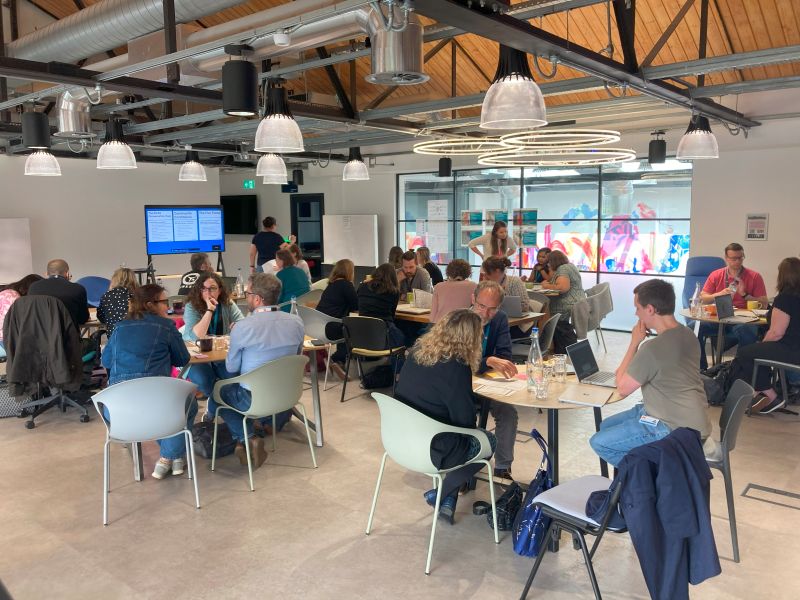
Community is care
Community means different things to different people, but above all, community is care. A genuine and fulfilling community puts its members first. It creates the right environment where people ask questions, get information and support, all while creating opportunities to connect.
Too often, community is an afterthought. Often considered a non-essential; especially when time and resources are tight. But with plenty of industry news, events, blogs, and resources across education and research, community is essential to bring all of it together. It is the glue work connecting activities and people, keeping them human and alive.
Engagement vs communication
A great community has great communication, but communication does not always equal engagement.
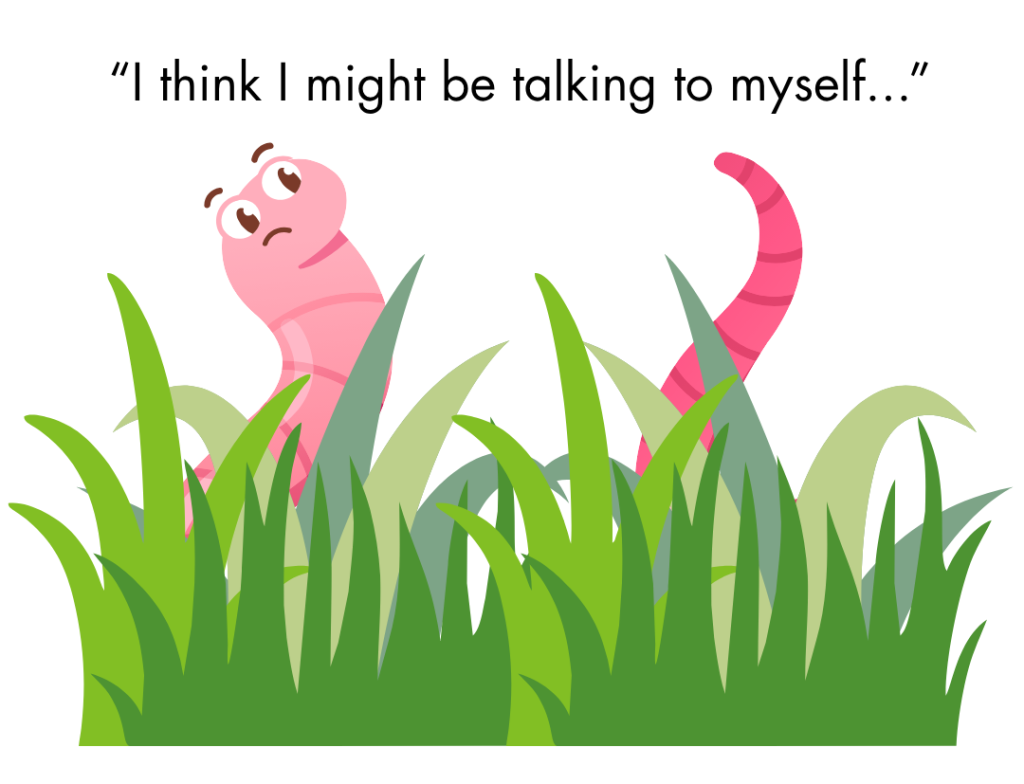
Community building takes time, any community manager will sympathise with those tumbleweed moments where it feels like you are talking to yourself.
To create engagement, we need communication that is worthwhile. A community’s success relies on how well it understands the community’s needs and then meets them. Simply put, will what we share lead us to something better?
Data, data and more data
So how do we build momentum and create organic engagement? Rosie introduced us to the idea of systems thinking. This is helping make sense of the complexities by creating a community knowledge management process (CKM).
The more opportunities for conversations we have, the more we connect and learn. What naturally surfaces can grow, and this is where the magic happens. Whether you are sharing industry news, product updates, hosting community meet ups and podcasts or using your platform to ask questions and polls, you will create a wealth of data. This intelligence will be far more valuable than how many active members you have or how many likes on a post.
We are shifting our thinking to a search engine mindset where we collect and connect the dots. Nothing should be done in isolation, everything is interconnected. We must track this and then keep sharing what we learn.
How do we understand impact?
Rosie first introduced us to the minimum viable community approach and community flywheels to help us visualise experiments and track progress. All of this is feeding into our systems thinking and most importantly, is practical.
This helps us understand the impact of our efforts. When people’s expectation are met, things gain momentum, we see more people show up and spend more time with the community which is helping save their time and solve their problems.
Community: the glue
Real community sits at the heart of all our activities and is embedded in everything that we do. Rarely can we progress on our own. When we are curious and show that we care, we create amazing ecosystems of support and knowledge.
From Jisc’s community team and the community managers who attended we wanted to say a massive thanks to Rosie for sharing her words of wisdom and we’ll be talking more about our community day in future blogs.
To get support or join one of our communities, visit our Get Involved page.