It was a pleasure to co-host the ‘Powered by people: Community-led transformation in education’ event. In this guest blog Chris Melia – University of Lancashire collaborative and digital practice lead and co-chair of our community-led digital skills project – reflects on the day.
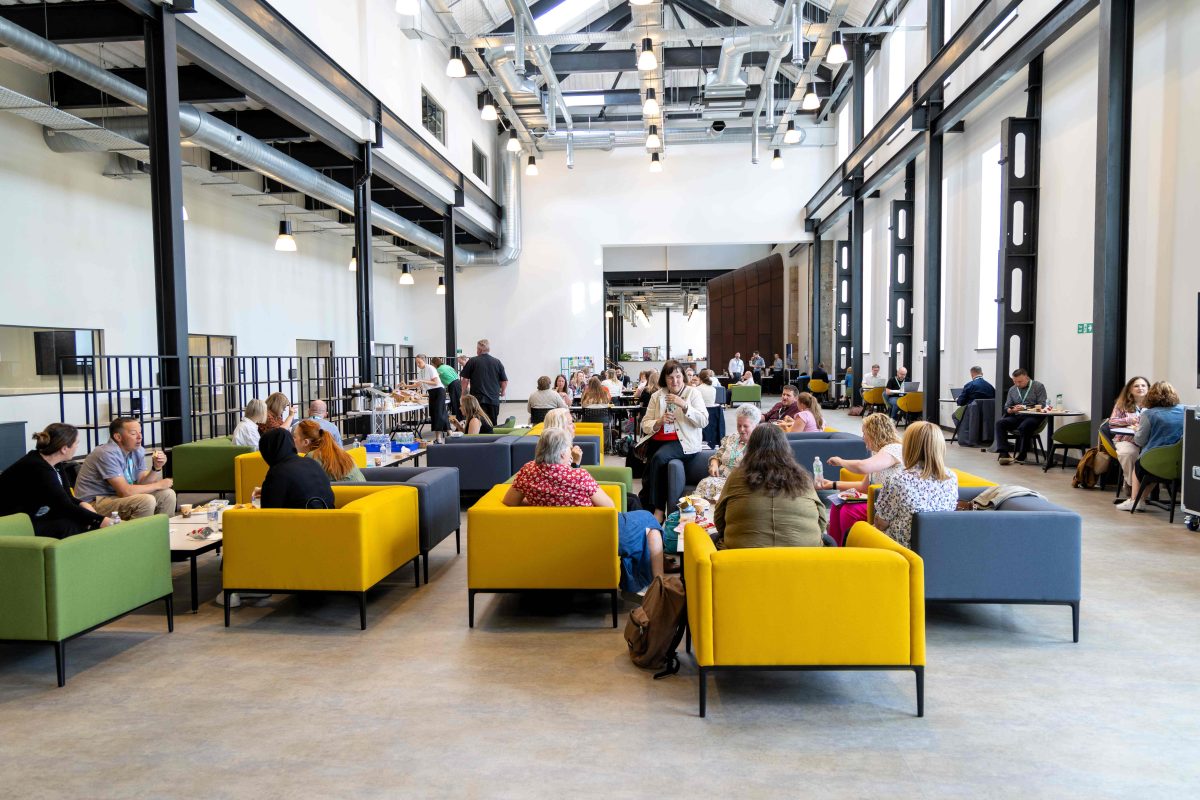
On 30 June, colleagues from across higher and further education gathered at the University of Lancashire’s Burnley Campus for an exciting event.
We explored a simple yet powerful notion: That meaningful organisational change isn’t made possible through technology alone – but by its people.
Community as a catalyst for change
Across the day, a common theme emerged. Whether discussions focused on digital capability, leadership, innovation or professional development – all the most successful examples of change were each rooted in community.
We heard stories of staff supporting one another, champions creating space for experimentation, and colleagues building confidence through peer learning.
Repeatedly, the message was reinforced – that sustainable transformation happens when people feel connected, supported, and recognised in their roles.
Too often, conversations around digital transformation centre on platforms, systems, and tools. While these do matter, the event reminded us that technology is only one part of the story – with the real difference being made by the relationships that enable people to use those tools with greater confidence and purpose.
Learning is a collective journey
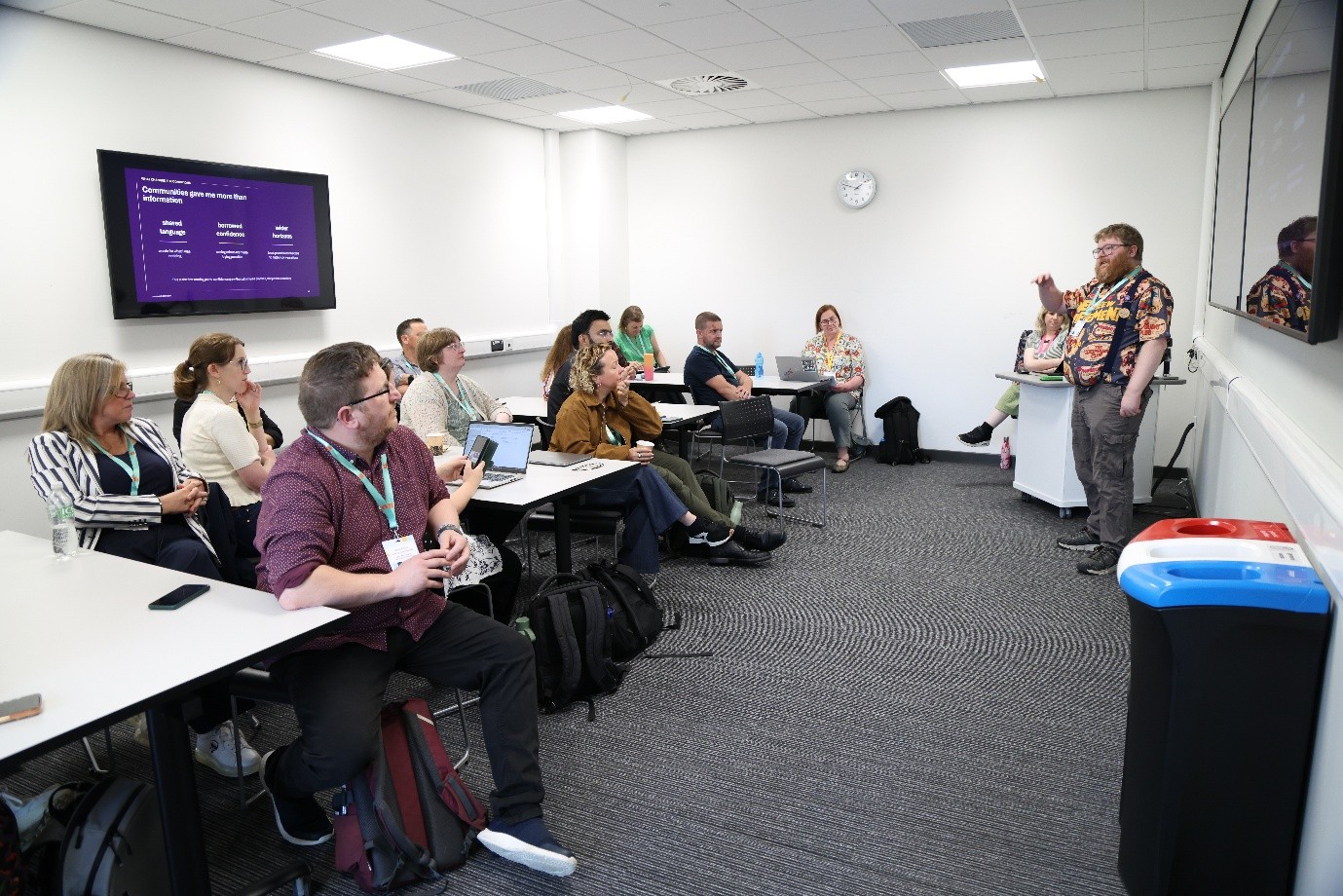
One of the most inspiring aspects of the event was hearing from several leading voices across the sector. Within the interactive workshop sessions, delegates presented a range of experiences, challenges and contexts – with a shared understanding that professional learning is strongest when it’s social.
Conversations between sessions were equally as valuable as the presentations themselves – with many new connections formed and ideas exchanged, in addition to emerging future collaborations. In many ways, these informal moments embodied the very principles that the event was intended to promote and celebrate.
Recognition matters
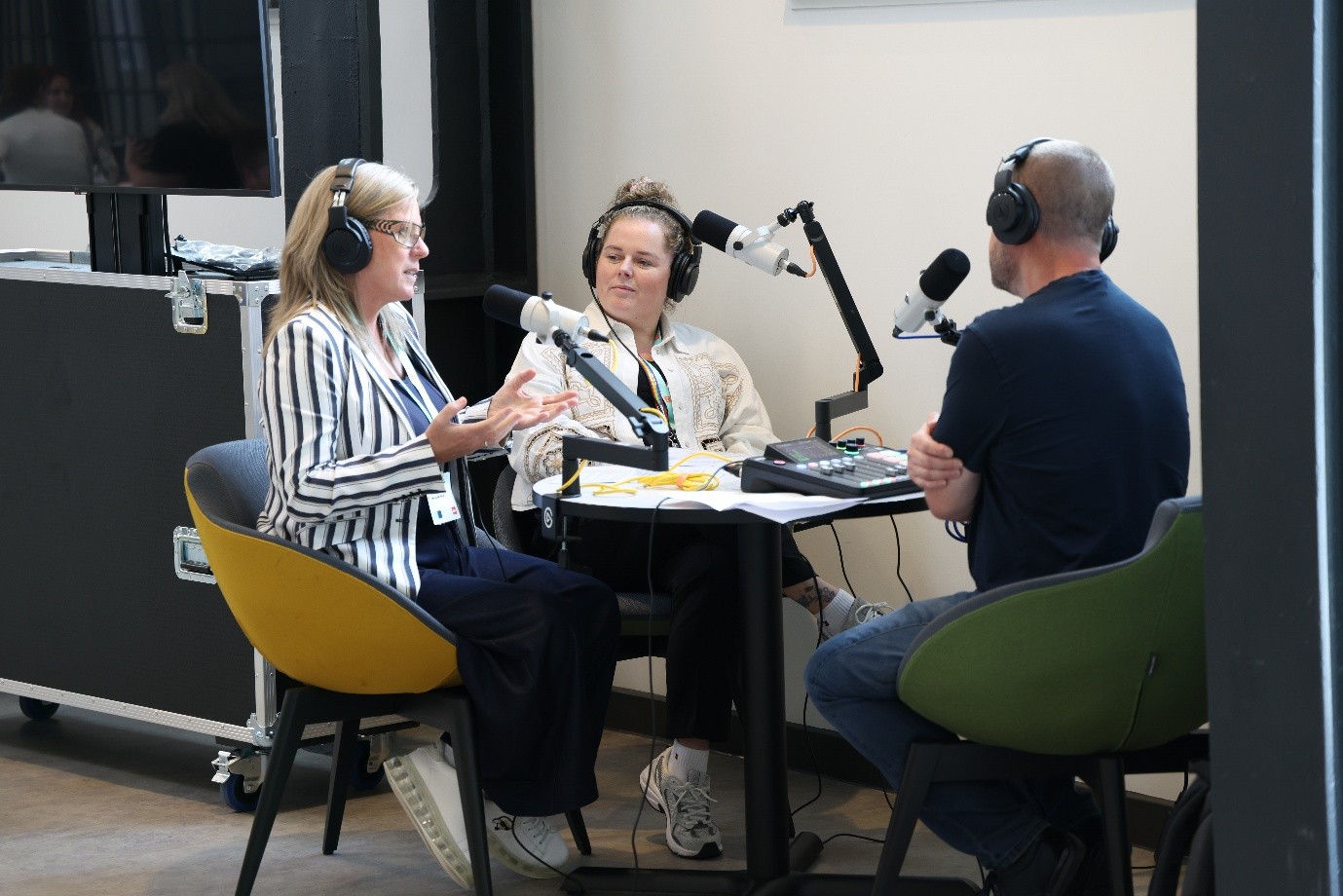
Another important theme of the day was recognition.
When people feel that their contributions are valued, they are more willing to share knowledge, support colleagues, and experiment in their practice. Recognition helps to foster a culture where innovation is celebrated, and expertise can flourish in unexpected places.
This has been a central principle of the University of Lancashire’s DigiLearn initiative since 2018, and it was encouraging to see similar approaches being championed across the sector.
Stories shared throughout the day demonstrated that recognition isn’t simply about awards or accreditation; but about helping people to feel visible and valued within their communities.
Key takeaways
Having conceived of the event concept six months prior, I found it personally rewarding to see what had started as a conversation evolve into a thriving day of shared learning, reflection, and connection.
What stood out most wasn’t any single presentation or workshop – it was the energy created when people come together around a shared purpose.
Reflecting on the event, I am left with a renewed belief in the power of communities to drive meaningful change.
The challenges facing education are significant and continue to evolve – yet our day together in Burnley demonstrated that there is enormous strength in connecting people to share experiences, learn from one another, and collectively shape the future.
When closing the event’s morning keynote, I highlighted three key messages for institutions to consider when developing digital capabilities:
- Community should be strategic – not just supplementary
- Confidence grows through connection – not just instruction
- Champions enable change when they feel visible and supported
‘Powered by people’ may have been a one-day event – but I remain confident that the conversations, connections and ideas generated will continue to permeate professional practice long into the future.
Perhaps this will be a true measure of the event’s success.
Further resources
Find practical tools, template and tips in our guide to Activating Community-led Digital Skills
Find a community relevant for you on our ‘get involved’ page