
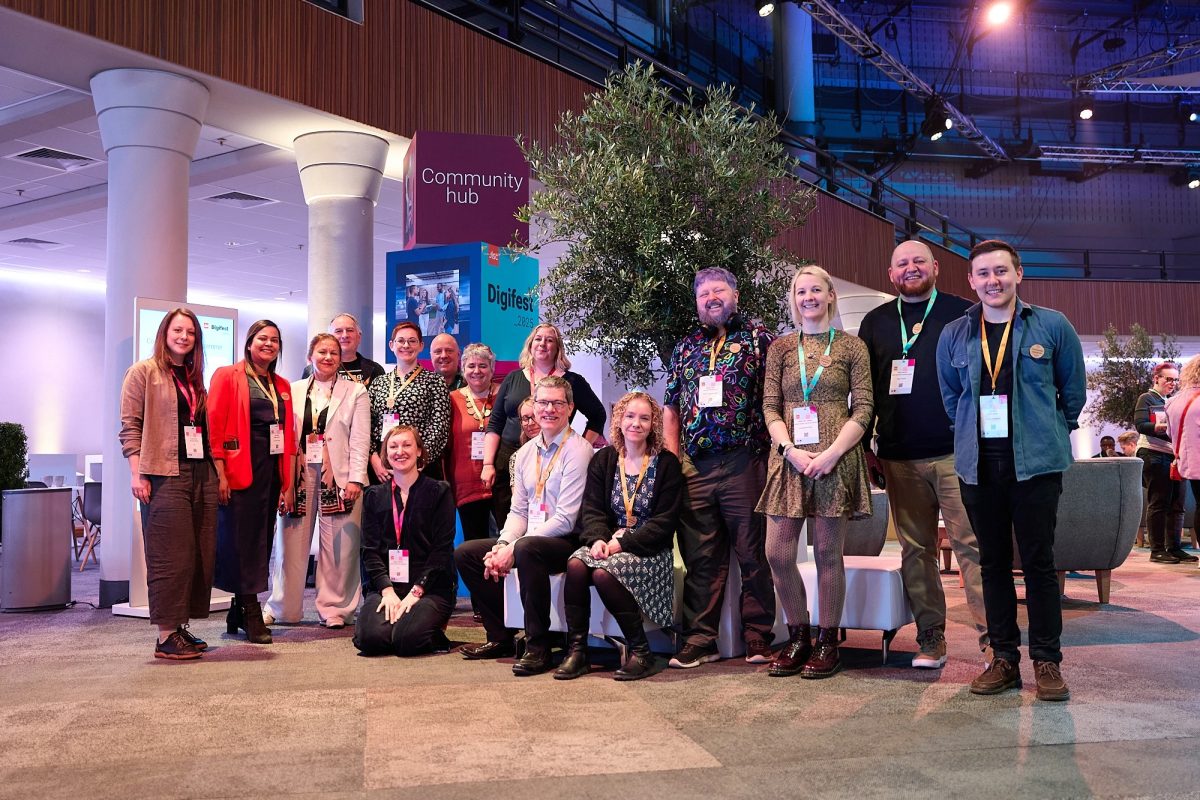
After welcoming our new cohort of community champions to Digifest, we brought them together to learn about their communities. We discussed what makes them proud, their challenges and, this year, we were keen to find out our how they make change happen in their institutions and beyond.
We reflect on the themes that came out of these discussions and how important these communities are for education and research.
How has your community driven change within your institution and/or beyond?
Champions are nominated for their impactful community work, supporting their peers with topics like IT, teaching and learning, learning technology or library resources. They are people who have a desire to find alternative ways of achieving things and who want to drive positive change across FE and HE.
Some of the themes that emerged from the question about driving change at our Digifest workshop included:
- Shaping strategy – some of our Champions’ work has influenced things on a national level, advocating for the HE sector and pushing back on deadlines from the Office for Students.
- Shaping CPD in their institutions and beyond – having a direct impact on teaching and learning practices and supporting colleagues.
- Building awareness of accessibility and inclusivity – making accessible digital tools and resources.
- Visibility – ensuring their departments have a “seat at the table” and are included in institutional discussions around change. Also using the student voice and bringing students in as “digital champions” to pass on digital skills to others.
- Creativity and expression – many of our Champions use creative ways of connecting with their peers and sharing experiences, such as the ALT-C radio.
What do you think is needed to enable more change to happen?
One theme that seems to emerge repeatedly from our communities is that they want more opportunities to connect and build community with others.
Themes that emerged from our question on what is needed to enable more change to happen were:
- More community! More peer learning networks and more opportunities to have open discussions and share with others. Also, an emphasis on connecting with other groups who they may not have thought about connecting with in the past.
- Influencing change – this involves both cultural shifts from leadership teams, as well as those influencing and agitating for change from the ground-up in any organization or community.
- Legislation – for many of our Champions, advocating for sector-level change via groups such as SCONUL, RLUK and Jisc strategic steering groups is a great example of the power of community coming together to drive changes in legislation and government policy.
- Having the correct tools to collaborate online – with the acknowledgement that there also needs to be investment in tech, time and building digital skills to see effective change.
- Recognition – awards and recognition schemes, such as the Community Champions, and other schemes like it in the sector can motivate people to get involved.
- Inclusive practices – all of our work, in educational institutions and wider communities, will have the biggest impact if our practices are inclusive and bring people along with us.
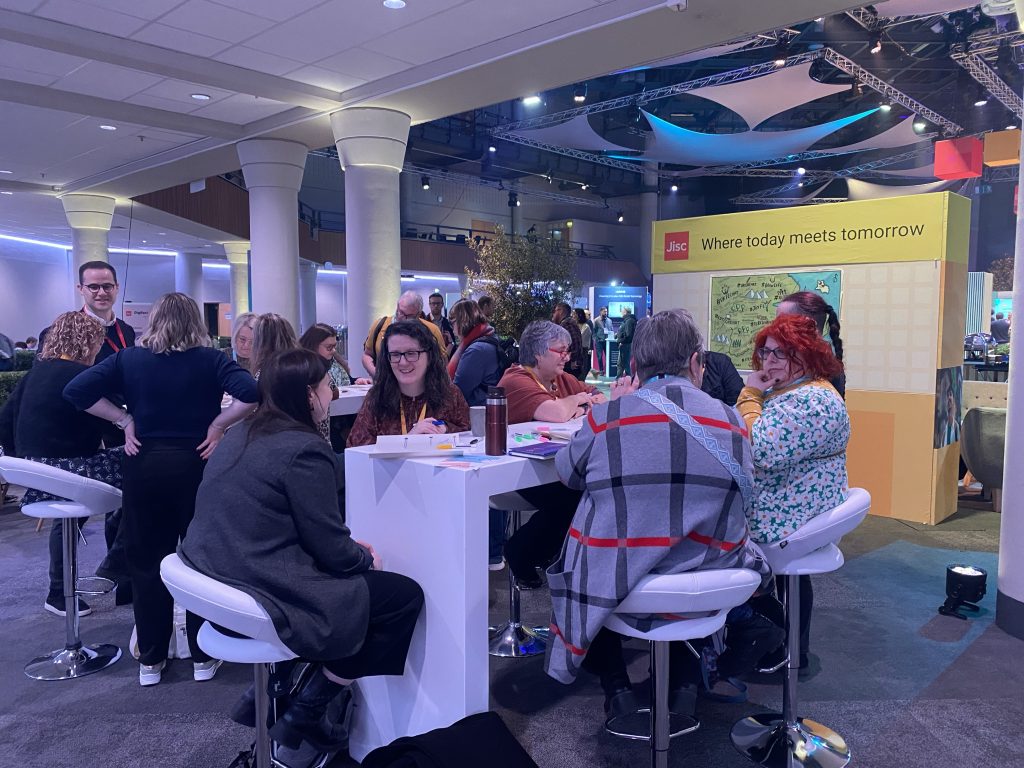
Be the change you want to see
The education sector is full of people who want to make a difference to others’ lives and improve the outcomes in their local communities. If we collaborate and connect with others who have similar goals and objectives to us, we can achieve a lot more than we ever could as an individual.
We want to say a huge thank you to our 2025 Community Champions for their engagement, collaborative spirit and participation in this programme both at Digifest and afterwards.
We invite all people working in Jisc member organisations to Get Involved with a community of practice that is relevant to you. You’ll be able to meet other professionals from different organisations, attend regular events and enhance your CPD.
The nominations for our 2026 cohort of Champions will open in late 2025. Subscribe to Jisc Headlines and keep an eye on our blog for updates.